


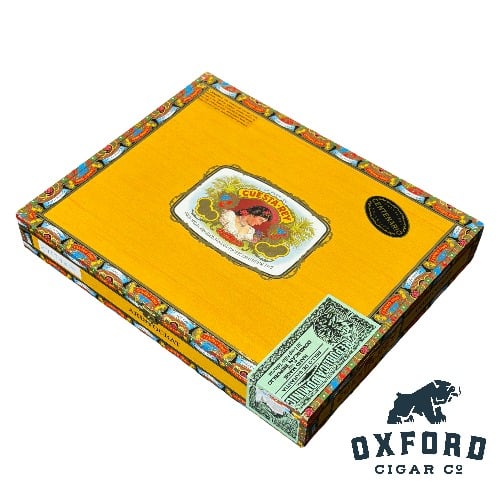
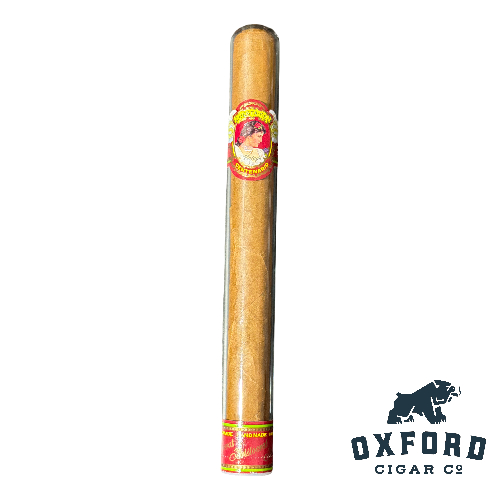

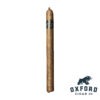
Cuesta Rey Centenario
Cuesta Rey Centenario carries more than a century of history in its band, tying J.C. Newman’s heritage brand to Fuente’s modern Dominican craft in a creamy, Connecticut wrapped presentation made for relaxed, unhurried smoking. Built around well aged Cuban seed Dominican tobaccos and finished in either silky Ecuadorian Connecticut Shade or rich Broadleaf maduro, this line sits in that sweet spot where classic elegance, reliable construction, and approachable strength all meet for everyday rotation.
- Handmade at Tabacalera A. Fuente using long filler Cuban seed Dominican tobaccos aged in cedar aging rooms
- Offered in both Ecuadorian Connecticut Shade and Connecticut Broadleaf maduro wrappers for distinct natural and darker profiles
- Mild to solid medium strength, ideal for newer smokers or experienced palates that prefer nuance over intensity
- Consistent draw, straight burn line, and abundant creamy smoke output across traditional sizes like the 6 x 50 toro
- Flavor profile built around cedar, cream, toasted bread, gentle baking spice, with cocoa and darker sweetness in the maduro
- Heritage presentation that connects a historic Tampa born marque with current Dominican production for story driven retail displays
Cuesta Rey began in the late nineteenth century when Angel Cuesta was rolling cigars in Key West, then Ybor City, and eventually partnering with Peregrino Rey to build a brand that would be selected as an official cigar for King Alfonso the Thirteenth of Spain. That royal tie in lives on visually in the Centenario bands and boxes, which lean heavily into European crest work and old world typography while the cigars themselves are handmade at Tabacalera A. Fuente in Santiago, Dominican Republic. The Centenario blend uses Cuban seed Dominican filler and binder that rest in cedar aging rooms for several years before rolling, with most retailers presenting the line in Natural, wrapped in Ecuadorian Connecticut Shade, and Maduro, dressed in darker Connecticut Broadleaf for a richer expression.
In hand, the Natural Centenario wears a golden, café con leche wrapper with fine veins, light sheen, and the kind of consistent factory roll any regular Fuente smoker will recognize on sight. The cigar feels firmly packed from head to foot without flat spots or hard knots, and the cap work is clean enough that a straight cut or shallow v cut both work without drama. On the wrapper, you can expect aromas of cedar, toasted bread, light barnyard, sweet cream, and a faint vanilla or honey edge. From the foot, the aroma usually ramps up to include hay, nuts, a little white pepper, and a soft cocoa powder hint, while the cold draw typically brings easy resistance with flavors of oats, peanut shells, and lightly sweetened cream.
Once lit, the first third of the Natural normally opens in solid medium flavor, just under medium strength, and a light to medium body. Primary flavors sit on creamy cedar and toasted bread, with secondary notes of hay, light honey sweetness, peanuts, coffee beans, and a pinch of white pepper especially if you retrohale. The retrohale tends to carry more toasted cedar, a mild pepper tingle, and a touch of nuttiness, never harsh or sharp. Construction in this section is usually excellent, with an even burn line, compact ash that holds for roughly an inch, and smoke production that feels more generous than you might expect from a Connecticut Shade presentation.
Moving into the second third, the profile often deepens slightly toward a true medium body as the Dominican core warms up. Cedar shifts closer to aged cedar, cream thickens, and a soft graham cracker or oatmeal cookie note sometimes emerges, backed by light raisin sweetness or cocoa nibs. Pepper usually stays in the background, letting the cigar remain relaxed and conversational. The retrohale may pick up a touch of nutmeg and a little more oak like character. Strength stays in the mild plus to medium territory, which keeps the Centenario approachable as a mid morning or early evening cigar even for smokers with lighter tolerance. The burn rarely needs correction, and the draw typically stays open without going loose.
In the final third, the Centenario Natural tends to dry out a little in the best sense of the word, trading some cream for more toasted bread, aged cedar, and a subtle leather tack edge. Any residual honey sweetness steps back while coffee bean and light earth move forward, keeping the cigar interesting right to the band. Pepper remains modest, often closer to white pepper than black, and the finish lengthens slightly with a mix of cedar, nuts, and faint mushroom like earth. Strength usually finishes at a firm medium, body at medium, and flavor intensity at medium plus without ever feeling heavy or cloying. Total smoking time on the toro sizes often lands between 70 and 90 minutes depending on pace.
The Centenario Maduro rides the same chassis but replaces the wrapper with dark Connecticut Broadleaf, which pulls the profile into cocoa, molasses like sweetness, darker coffee, and a bit more body while still staying under medium plus strength. It becomes a natural choice for drink pairings that skew sweeter or darker such as aged rum, bourbon, or a richer espresso, while the Natural excels with black coffee, lighter rum, or even a mild lager. From a retailer or humidor curation standpoint, pairing Centenario Natural and Maduro in the same shelf space gives customers a clear natural versus maduro comparison on the same underlying Dominican engine.
| Brand | Cuesta Rey Centenario |
| Manufacturer | J.C. Newman Cigar Company |
| Factory | Tabacalera A. Fuente, Santiago, Dominican Republic |
| Country of Origin | Dominican Republic |
| Wrapper (Natural) | Ecuadorian Connecticut Shade |
| Wrapper (Maduro) | Connecticut Broadleaf |
| Binder | Dominican |
| Filler | Cuban seed Dominican |
| Primary Strength Range | Mild to Medium |
| Typical Toro Size | 6 x 50 |
| Core Flavor Themes | Cedar, cream, toasted bread, nuts, light spice, cocoa in maduro |
Summary
- Box Count: 10
- Region: Dominican Republic
- Strength: Mild to Medium
- Binder: Dominican
- Wrapper: Ecuadorian Connecticut Shade or Connecticut Broadleaf Maduro
- Filler: Cuban seed Dominican
Is Cuesta Rey Centenario a good choice for newer cigar smokers?
Yes. The Centenario Natural in particular lives in the mild to solid medium range, with creamy, cedar driven flavors and low pepper. It teaches what aged Dominican and Connecticut Shade can do without punishing the palate.
How does the Natural compare to the Maduro version?
The Natural focuses on cream, cedar, toasted bread, and light sweetness with mild plus to medium strength. The Maduro adds cocoa, darker caramel-like sweetness, and a touch more body while still staying around medium strength, which makes it better suited to after dinner or darker drink pairings.
Who makes Cuesta Rey Centenario and where is it rolled?
J.C. Newman owns the Cuesta Rey brand while production for Centenario is handled by Tabacalera A. Fuente in Santiago, Dominican Republic. That combination of Tampa-based ownership and Dominican manufacturing gives the line both historic and modern credibility.
What drinks pair well with Cuesta Rey Centenario?
The Natural pairs nicely with black coffee, cappuccino, lighter rum, or a crisp lager since its flavors are subtle and creamy. The Maduro handles aged rum, bourbon, or espresso better because the cocoa and darker sweetness can stand next to richer drinks without getting lost.
When should I reach for this cigar in a daily rotation?
The Centenario Natural shines as a first or second cigar of the day, or anytime you want flavor without heavy nicotine. The Maduro works well as a late afternoon or early evening cigar when you want something richer but still comfortable.
What kind of smoker will appreciate this blend most?
Anyone who prefers traditional Dominican cream and balance over heavy spice will feel at home with Centenario. It also fits collectors who like historic brands with a real story rather than new bands with no lineage.
How does construction compare to other Fuente made cigars?
Most samples show a familiar Fuente reliability, with clean seams, well applied caps, easy draw, and even burn. The line is tuned more for consistency and comfort than edgy strength, which matches the factory’s reputation for dependable everyday cigars.
Does the Centenario age well in the humidor?
Yes, especially the Natural. With a couple years of rest, the cedar, cream, and bread notes tend to knit together, pepper softens, and the whole profile becomes even smoother. Proper storage around standard humidity keeps the Connecticut wrapper behaving and preserves the aged Dominican core.
| Selection | Box – Aristocrat 7 1/4 x 48, 5 Pack – Aristocrat 7 1/4 x 48, Single – Aristocrat 7 1/4 x 48 |
|---|
Share your thoughts!
Let us know what you think...
Only logged in customers who have purchased this product may leave a review. Log in now


What others are saying
There are no contributions yet.