

Samuel Gawith Best Brown Flake Pipe Tobacco
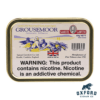
Samuel Gawith Best Brown Flake — a classic Lakeland-essence Virginia flake from Samuel Gawith’s Kendal tradition. Floral, fragrant, and naturally sweet: a traditional Samuel Gawith Virginia expression.
Curated by Oxford Cigar Company. Ships from Orlando, FL.
Samuel Gawith Best Brown Flake
Samuel Gawith Best Brown Flake is a pure Virginia flake manufactured in Kendal, England, using hand stripped, flue cured Virginia tobaccos with no added flavoring. The flakes are pressed for 28 days before cutting on the original machinery dating back to the 1790s, a production method that has remained essentially unchanged for over two centuries. The result is a dense, dark brown flake that delivers honey, brown sugar, malt, bread, dried fruit, and a signature vinegar tang that defines the Samuel Gawith Virginia style. Tobacco Reviews gives it a 3.40 out of 4 across dozens of reviews, and Jim Amash (JimInks) described it as “a mildly creamy, mellow straight Virginia flake with a lot of tangy dark fruit.” The Pipe Professor called it “a timeless tobacco that continues to perform at an ultra superior level” and went back to buy several more tins after finishing his first. Packaged in 50 gram tins.
- Tobacco: Hand stripped, flue cured Virginia. No blending with Burley, Oriental, Latakia, or Perique. No added flavoring. This is a straight Virginia, meaning the entire flavor profile comes from the natural leaf and the pressing process. Samuel Gawith’s official description: “Manufactured using hand-stripped flue cured Virginias with no flavours added.” The hand stripping process removes the central stem from each leaf before pressing, which improves burn quality and eliminates the bitterness that stems can introduce. The Virginias used are darker, more matured leaf than those in Samuel Gawith’s Full Virginia Flake, giving Best Brown its richer, deeper character.
- Cut: Flake. Pressed for 28 days, then sliced on machinery from the 1790s. Simply Stogies confirmed: “Best Brown, like all Gawith tobacco, is pressed and cut on the original machinery from the 1790s” and “Best Brown is pressed for 28 days before cutting.” The extended pressing period forces the leaf sugars to meld and begin a slow fermentation within the cake. The flakes come out of the tin dark brown, dense, and uniform. Brothers of Briar described them as “pleasingly sweet, thick, matured Virginia, very uniform flakes” with a different, more uniform coloration than Full Virginia Flake’s brindle pattern.
- Strength: Mild to medium. The Pipe Professor found “medium bodied and mild/medium in strength.” Tobacco Reviews consensus places it at medium strength with medium taste. Jim Amash described it as “mildly creamy and mellow.” This is a tobacco that delivers complexity without power, making it approachable for newer pipe smokers while rewarding experienced palates with its depth and evolution.
- Room Note: Pleasant. The sidestream smoke is sweet, grassy, and gentle. Samuel Gawith’s official description mentions “a delectable aroma and good sidestream.” Multiple reviewers confirmed the room note is pleasant and unobtrusive, typical of high quality Virginias without Latakia or aromatic toppings.
- Core Flavors: Honey, brown sugar, malt, toasted bread, whole grain bread, dried figs, raisins, prunes, dark fruit, tart citrus, vinegar tang, earth, hay, grass, leather, nuts, toasted almond, marzipan, cinnamon, nutmeg, cream, salt, maple, chocolate, mocha, tea, wood.
What it tastes like
The tin aroma is the first indication that Best Brown is a serious Virginia. Simply Stogies found “raisins, figs, prunes, hay, musty earthy, a touch of minerality, chocolate syrup, amaretto” and declared “it smells like Tobacco, classic, and pure.” Brothers of Briar described it as “honey like, toasty and mellow” and noted it smells better out of the tin than fresh Full Virginia Flake. The Pipe Professor opened his tin to “earth, barnyard, sweet and sour vinegar, leather, and roasted honeycomb.” That vinegar note is characteristic of Samuel Gawith’s Kendal production: a sweet and sour quality that comes from the extended pressing and the natural chemistry of the Virginia leaf.
The first puffs from the charring light are immediate and rewarding. The Pipes Magazine Virginia Shootout reviewer captured the opening: “Charring light: Sweet. Bread. Malt. Instantly recognize more depth and sweetness” compared to Full Virginia Flake. On the true light: “I get deep whole grain bread, sweet woody maple sugar, toasted almond, Irish Breakfast tea, marzipan, maple latte, MaryJane candies.” That list reads like a bakery, and it is not an exaggeration. Best Brown opens with a distinctly bread like, malty, nutty sweetness that separates it from lighter, brighter Virginias. The Pipe Professor found “light pepper spice (tingle on the palate), dried fig, and brown sugar, all wrapped around a tight nutty core.” Simply Stogies identified “nutty, leather, cinnamon, cream, and nutmeg to start” with “candy sweet, and hay, well more like shredded wheat.”
The middle of the bowl is where Best Brown settles into its groove. The Pipes Magazine reviewer tracked the evolution: “As it smokes down it gets maltier and picks up more mocha notes. Samuel Smith’s Nut Brown Ale. Whoppers malt balls.” The malt intensifies. The bread notes deepen. A mocha quality emerges where the chocolate and coffee meet the grain. Jim Amash’s detailed review found “a lot of tangy dark fruit, some tart and tangy citrus, mild hay and grass, plenty of wood, earth” throughout the bowl. The vinegar tang that is present on the tin aroma translates into a tart, tangy quality during smoking that keeps the sweetness balanced and prevents the bowl from becoming cloying. Simply Stogies called it “a saltlick with a wicked vinegar finish” and noted “vague fruits come through, berries, or apricots.” The Pipe Professor found “an aged leather characteristic” on the retrohale that is “not present in the tastes while puffing,” adding a hidden dimension that rewards those who push smoke through the nose.
The final portion of the bowl rewards patience. Jim Amash found the blend delivers “a very consistent” experience through the heel. The Pipe Professor described the overall performance: “my palate just kept wanting me to puff on this one. It is truly unique, delicious, and savory.” Best Brown burns slowly, a characteristic noted by every reviewer. The flake density and 28 day pressing create a tobacco that refuses to rush. A single bowl stretches well beyond what most ribbon cut tobaccos deliver in the same pipe. Simply Stogies found “leather, earthy, and bread base notes provide some balance” in the later stages, with “a sort of berry bread feel” as the fruits and grains merge in the finish.
The Kendal heritage
Samuel Gawith is one of the oldest tobacco manufacturers in the world, operating in Kendal, a market town in the Lake District of Cumbria, England. The company traces its origins to 1792, when Thomas Harrison established a snuff making business using secondhand machinery he acquired from London. The Harrison enterprise evolved through partnerships with Thomas Brocklebank, a local chemist and druggist, and eventually passed to the Gawith family. In 1865, the longstanding company split into two firms: Samuel Gawith and Gawith Hoggarth. Samuel Gawith earned a reputation for well balanced English blends and a handful of the most respected Virginia flakes in the entire pipe tobacco world. In 2015, 150 years after the split, the two companies reunited, with Samuel Gawith production moving into the Gawith Hoggarth factory. The original pressing and cutting machinery from the 1790s remains in use. Every tin of Best Brown Flake is pressed and cut on equipment that is over 230 years old.
Best Brown Flake as a base blend
Best Brown Flake serves as the foundation tobacco for Samuel Gawith’s Firedance Flake, an aromatic that adds blackberry brandy flavoring to the same pressed Virginia base. Simply Stogies confirmed: “This is the base tobacco for Samuel Gawith’s Blackberry Brandy Aromatic Firedance Flake.” That relationship is worth understanding. If you enjoy Firedance Flake and want to experience the underlying tobacco without the aromatic topping, Best Brown is exactly that tobacco. If you enjoy Best Brown and want to explore what it becomes with a fruit and spirit flavoring added, Firedance Flake is the aromatic counterpart.
Best Brown Flake vs. Full Virginia Flake
| Detail | Best Brown Flake | Full Virginia Flake (FVF) |
|---|---|---|
| Tobacco | Dark, matured flue cured Virginia | Brighter, lighter flue cured Virginia |
| Color | Dark brown, uniform | Brindle (mixed light and dark) |
| Character | Richer, maltier, more bread and dark fruit, vinegar tang | Brighter, more citrus, lighter sweetness |
| Tin Aroma | Honey like, toasty, mellow | More subdued, grassier |
| Strength | Mild to medium | Mild to medium |
| Pressing | 28 days | 28 days |
| Flavoring | None | None |
| Aging Potential | Excellent | Excellent (widely considered one of the best aging Virginias) |
Both are straight Virginia flakes from the same factory, pressed on the same machinery for the same 28 days. The difference is the leaf. Best Brown uses darker, more matured Virginias that produce its richer, maltier, more bread forward character. Full Virginia Flake uses brighter leaf with more citrus and lighter sweetness. Brothers of Briar directly compared them and found Best Brown “smells better out of the can” with a “honey like, toasty and mellow” aroma versus FVF’s more subdued tin note. The Pipes Magazine Virginia Shootout confirmed Best Brown has “more depth and sweetness” from the charring light onward. Both are essential Samuel Gawith Virginias. If you lean toward malt, bread, and dark fruit, Best Brown is your flake. If you lean toward bright citrus and lighter sweetness, FVF is the choice.
Preparing the flakes
Best Brown comes extremely moist in the tin. The Pipe Professor warned: “I did have a hard time keeping it lit and figured out that a minimum of one hour drying time was needed prior to packing and lighting this beautiful creation.” That moisture is intentional. The high moisture content preserves the flake’s integrity during pressing and keeps the sugars active for aging. Three methods work for preparation:
- Fold and stuff: Take a flake, fold it loosely, and tuck it into the bowl. The flake will dry as the top layer burns, feeding a gradually drying tobacco to the ember below. This method preserves the most “pressed” character and burns the slowest.
- Rub out: Crumble or rub the flake between your palms into a ribbon like consistency, spread it on a surface, and let it dry for 30 to 60 minutes before packing. This is the most common method and provides the easiest light and most consistent burn.
- Cube cut: Cut the flakes into small cubes with a knife and pack them loosely. This splits the difference between fold and stuff and rubbed out, offering a varied burn with slightly different flavor delivery as the cubes combust at different rates.
Aging potential
Best Brown Flake is one of the most rewarding pipe tobaccos for long term cellaring. The combination of all Virginia leaf, high moisture content, natural sugars, and the dense pressing creates ideal conditions for anaerobic fermentation inside a sealed tin. One Tobacco Reviews user with extensive aging experience wrote: “This rich dark brown flake turns near black with aging, loads up on the sugar crystals and ages better than Raquel Welch.” The sugar crystallization on the surface of aged flakes is a visible sign of fermentation, and those crystals dissolve during smoking to deliver deeper sweetness. Another reviewer found “a very mild honeydew on oats taste” with “the most natural and easy on the palate” character from aged tins. Simply Stogies’ 1790s machinery fact is relevant here: the pressing process itself begins the fermentation, and sealing that tobacco in a tin continues it for years. Buy tins, write the date on them, and set them aside. Best Brown at five years is a different, deeper, sweeter tobacco than Best Brown fresh from the factory.
The Lakeland question
Samuel Gawith and Gawith Hoggarth both operate from Kendal, and the region is associated with a distinctive floral and soapy additive known informally as “Lakeland essence.” When the two companies merged operations in 2015, experienced pipe smokers worried that the Lakeland flavoring from Gawith Hoggarth’s production might cross contaminate Samuel Gawith blends that were never supposed to contain it. Simply Stogies addressed this directly in their Best Brown Flake review, describing the tin aroma and confirming: “No whiff of wax or floral elements.” Samuel Gawith had a reputation for containing the Lakeland essence to only the blends that were specifically flavored with it. Best Brown Flake is not a Lakeland tobacco. It is a straight, unflavored Virginia. If you have avoided Samuel Gawith blends because of Lakeland concerns, Best Brown is a safe entry point.
Pairings
Best Brown Flake’s honey, brown sugar, malt, bread, dark fruit, and vinegar tang profile pairs naturally with beverages that complement its rich, bakery like sweetness. A nut brown ale (Samuel Smith’s Nut Brown Ale was specifically referenced in the Pipes Magazine Virginia Shootout as a direct flavor comparison) is the single most on point pairing: malty, nutty, lightly sweet, and English. An Irish Breakfast tea or English Breakfast tea picks up the tea notes that the Pipes Magazine reviewer identified in the opening puffs, and the tannins complement the vinegar tang. A bourbon (Maker’s Mark, Woodford Reserve) brings caramel, vanilla, and toasted oak that amplify the brown sugar, toasted almond, and maple notes. A medium roast coffee or latte matches the mocha and malt character that develops in the second half of the bowl. A tawny port brings dried fruit, caramel, and nutty complexity that mirrors Best Brown’s dark fruit and marzipan notes. A slice of banana bread, malt biscuits, or shortbread provides a food pairing that echoes the tobacco’s bakery character. For something simple, a glass of apple cider (still or sparkling) complements the vinegar tang and fruit sweetness.
| SPECIFICATION | DETAILS |
|---|---|
| Brand | Samuel Gawith |
| Blend Name | Best Brown Flake |
| Blend Type | Virginia (Straight) |
| Components | Hand stripped, flue cured Virginia |
| Cut | Flake (pressed 28 days) |
| Flavoring | None |
| Manufactured By | Samuel Gawith, Kendal, Cumbria, England |
| Country | United Kingdom |
| Strength | Mild to Medium |
| Taste | Medium |
| Room Note | Pleasant |
| Packaging | 50 gram tin |
| Tobacco Reviews Rating | 3.40 / 4 |
| Core Flavor Notes | Honey, brown sugar, malt, toasted bread, whole grain bread, dried figs, raisins, prunes, dark fruit, tart citrus, vinegar tang, earth, hay, grass, leather, nuts, toasted almond, marzipan, cinnamon, nutmeg, cream, salt, maple, chocolate, mocha, tea, wood |
Quick specs
- Blend Type: Virginia (Straight, unflavored)
- Components: Hand stripped, flue cured Virginia
- Cut: Flake (28 days pressed)
- Strength: Mild to Medium
- Taste: Medium
- Manufacturer: Samuel Gawith, Kendal, England
- Packaging: 50 gram tin
What is Samuel Gawith Best Brown Flake?
A pure Virginia flake pipe tobacco made from hand stripped, flue cured Virginias with no added flavoring. Pressed for 28 days and cut on original machinery from the 1790s at Samuel Gawith’s factory in Kendal, England. Dark brown, dense, uniform flakes. 3.40 out of 4 on Tobacco Reviews. 50 gram tins.
What does Best Brown Flake taste like?
Honey, brown sugar, malt, whole grain bread, toasted almond, marzipan, dried figs, raisins, dark fruit, tart citrus, vinegar tang, earth, hay, leather, cinnamon, nutmeg, cream, maple, mocha, and tea. The Pipes Magazine Virginia Shootout found “deep whole grain bread, sweet woody maple sugar, toasted almond, Irish Breakfast tea, marzipan, maple latte.” Jim Amash described it as “mildly creamy and mellow with a lot of tangy dark fruit.”
How strong is Best Brown Flake?
Mild to medium strength. Medium taste. The Pipe Professor found “medium bodied and mild/medium in strength.” Approachable for newer pipe smokers. Delivers complexity and depth without nicotine heaviness.
How should I prepare the flakes?
Three methods: fold and stuff (slowest burn, most pressed character), rub out between palms (easiest light, most consistent), or cube cut with a knife (middle ground). The tobacco comes extremely moist from the tin. The Pipe Professor recommends a minimum of one hour drying time before packing and lighting for the best burn and coolest smoke.
How does Best Brown Flake compare to Full Virginia Flake?
Both are straight Virginia flakes from the same factory, pressed on the same 1790s machinery for 28 days. Best Brown uses darker, more matured Virginias with richer malt, bread, and dark fruit character. Full Virginia Flake uses brighter leaf with more citrus and lighter sweetness. Best Brown has a more pronounced tin aroma described as “honey like, toasty, and mellow.”
Does Best Brown Flake age well?
Extremely well. The all Virginia leaf, high moisture content, natural sugars, and dense pressing create ideal conditions for anaerobic fermentation inside a sealed tin. The flakes darken to near black with aging and develop visible sugar crystals on the surface. Aging deepens the sweetness and develops new complexity. Buy tins, date them, and cellar for one to five years or longer.
Is Best Brown Flake a Lakeland tobacco?
No. Best Brown Flake contains no added flavoring and no Lakeland essence. Simply Stogies confirmed no floral or waxy elements in the tin aroma. Samuel Gawith historically maintained separation between their Lakeland flavored tobaccos and their straight blends. Best Brown is a pure Virginia with nothing added.
What pairs well with Best Brown Flake?
Nut brown ale (Samuel Smith’s was specifically cited as a flavor comparison), Irish Breakfast tea, English Breakfast tea, bourbon (Maker’s Mark, Woodford Reserve), medium roast coffee or latte, tawny port, apple cider, banana bread, malt biscuits, or shortbread. The tobacco’s honey, malt, bread, and dark fruit character pairs with malty, sweet, and bakery like beverages and foods.
| Selection | 50g Tin |
|---|
Share your thoughts!
Let us know what you think...
Only logged in customers who have purchased this product may leave a review. Log in now
542689142 (verified owner) –
S.Gawith makes these tobaccos quite humidified. The tobacco is engineered to last, as they are sent all over the world. From arid deserts, to the Amazon basin, these tobaccos are meant to last until opened.
Upvote if this was helpful (0) Downvote if this was not helpful (0) Watch Unwatch Flag for removal