


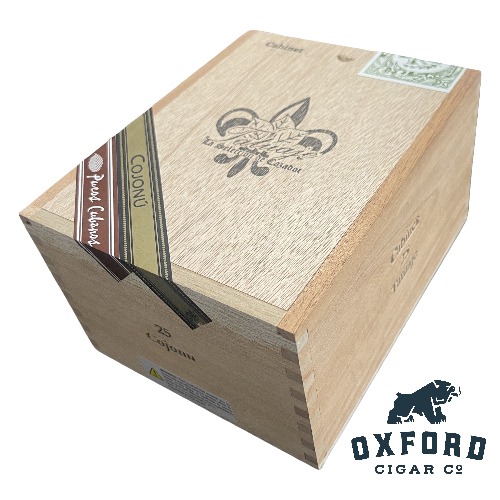
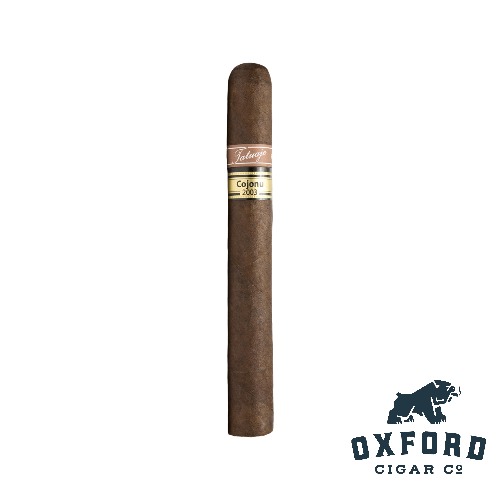
Tatuaje Cojonu 2003
The Tatuaje Cojonu 2003 represents a pivotal moment in modern cigar history, marking the beginning of one of the most successful collaborations in the premium cigar industry. When Pete Johnson, a tattooed former rock musician, met the legendary Don Pepin Garcia in 2003, they created something extraordinary that would forever change the landscape of boutique cigars. This exceptional Nicaraguan puro wrapped in aged Ecuadorian Habano leaf stands as a testament to what happens when artistic vision meets traditional Cuban cigar-making expertise.
Key Features
- Historic collaboration between Pete Johnson and Don Pepin Garcia, marking the birth of Tatuaje cigars
- Aged Ecuador Habano wrapper with silky, oily texture for enhanced complexity
- Full-bodied Nicaraguan blend delivering rich notes of dark chocolate, espresso, and warm bread
- Medium strength profile accessible to experienced enthusiasts while offering sophisticated complexity
- Handcrafted at the legendary My Father Cigars factory in Esteli, Nicaragua
- 60-minute smoking experience with exceptional balance from first light to final third
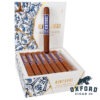
- Available in the classic 6.5 x 52 toro format, perfect for extended enjoyment
The Story Behind the Legend
Pete Johnson’s journey from performing on stage with a cigar between his fingers to becoming one of the industry’s most respected blenders reads like a classic American success story. After leaving the music business, Johnson knew he wanted to work with cigars but lacked the connections and knowledge to make it happen. Friends in the industry introduced him to Jose “Don Pepin” Garcia, a master blender who had recently left Cuba and was making waves in Miami. Their 2003 meeting would produce not just a single cigar, but the foundation for what would become the entire Tatuaje brand.
The Cojonu 2003 emerged from months of blending sessions where Johnson’s vision for bold, Cuban-style cigars met Garcia’s decades of expertise. Working at Garcia’s El Rey de los Habanos factory in Miami, they experimented with various Nicaraguan tobaccos until achieving the perfect balance. The name “Cojonu” itself reflects Johnson’s irreverent spirit and willingness to challenge industry conventions, while “2003” commemorates the year this groundbreaking partnership began.
Construction and Blend Details
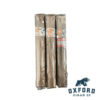
The Ecuador Habano wrapper on the Cojonu 2003 presents a beautiful milk chocolate brown coloration with a subtle sheen that speaks to its careful aging and selection. This H-2000 varietal wrapper leaf, grown in Ecuador’s unique climate, provides both visual appeal and flavor complexity that sets this cigar apart from typical Nicaraguan puros. The wrapper feels substantial yet supple, with minimal veining and an oily texture that promises a rich smoking experience.
Beneath the wrapper lies a carefully selected Nicaraguan binder and filler combination sourced from Garcia’s family farms in Esteli. The filler blend incorporates tobaccos from multiple primings and regions within Nicaragua, creating layers of flavor that evolve throughout the smoke. Each cigar undergoes traditional Cuban triple-cap construction, ensuring a clean cut and preventing unraveling during the extended smoking session.
Tasting Experience
The cold draw reveals initial notes of cocoa powder, toasted almonds, and a subtle sweetness reminiscent of dried dates. Upon lighting, the Cojonu 2003 opens with immediate complexity, delivering rich dark chocolate intertwined with freshly ground espresso beans and warm sourdough bread. The smoke production is generous without being overwhelming, creating thick, creamy clouds that carry the flavors beautifully.
As the first third progresses, black pepper emerges on the retrohale while maintaining perfect balance with the sweeter base notes. The second third introduces vanilla bean and a delicate creaminess that rounds out the pepper spice. New layers of baking spices, particularly nutmeg and cinnamon, appear in waves, keeping the palate engaged. Cedar notes develop alongside leather undertones, creating a sophisticated interplay between sweet and savory elements.
The final third maintains remarkable consistency without becoming harsh or bitter. The strength builds gradually to medium-full while preserving the nuanced flavor profile established earlier. Notes of roasted coffee beans intensify, joined by hints of dark caramel and aged tobacco sweetness that linger on the finish.
Technical Specifications
| Vitola | Toro (6.5 x 52) |
| Length | 16.0 cm / 6.3 inches |
| Ring Gauge | 52 (20.6 mm diameter) |
| Wrapper | Ecuador Habano (H-2000) |
| Binder | Nicaragua |
| Filler | Nicaragua |
| Strength | Medium to Medium-Full |
| Body | Full |
| Smoking Time | 60-75 minutes |
| Factory | My Father Cigars, Esteli |
| Production | Handcrafted Longfiller |
Summary
- Box Count:
- Region: Nicaragua
- Strength: Medium to Medium-Full
- Binder: Nicaragua
- Wrapper: Ecuador Habano
- Filler: Nicaragua
What makes the Tatuaje Cojonu 2003 special compared to other Nicaraguan cigars?
The Cojonu 2003 stands apart through its historic significance as the first collaboration between Pete Johnson and Don Pepin Garcia, combining traditional Cuban rolling techniques with premium Nicaraguan tobaccos. The aged Ecuador Habano wrapper adds complexity rarely found in typical Nicaraguan puros, while the triple-cap construction and meticulous aging process create a smoking experience that rivals classic Cuban cigars.
How long should I age Tatuaje Cojonu 2003 cigars before smoking?
While the Cojonu 2003 smokes beautifully fresh from the box, many enthusiasts find that 6-12 months of additional aging in a properly maintained humidor enhances the blend’s complexity. The Ecuador Habano wrapper tends to mellow slightly with age, allowing the Nicaraguan core flavors to integrate more seamlessly.
What is the ideal humidity level for storing Tatuaje Cojonu 2003?
Store the Cojonu 2003 at 65-68% relative humidity for optimal performance. The oily Ecuador Habano wrapper benefits from slightly lower humidity than typical storage recommendations, preventing oversaturation while maintaining the cigar’s essential oils and ensuring an even burn.
Is the Tatuaje Cojonu 2003 suitable for newer cigar smokers?
While accessible in terms of strength at medium to medium-full, the Cojonu 2003’s complex flavor profile and full body make it better suited for intermediate to experienced smokers. Newcomers who enjoy bold flavors and have developed their palate with other medium-strength cigars will find it rewarding.
What beverages pair well with the Tatuaje Cojonu 2003?
The cigar’s chocolate and coffee notes pair excellently with aged rum, particularly those with caramel and vanilla characteristics. Single malt Scotch whiskies from Speyside complement the sweetness, while a robust espresso or Cuban coffee enhances the roasted flavors. For non-alcoholic options, consider dark roast cold brew or Mexican hot chocolate.
How does the Ecuador Habano wrapper affect the flavor profile?
The Ecuador Habano wrapper contributes significant spice and sweetness to the blend, adding layers of black pepper, cinnamon, and natural tobacco sweetness. Its oils provide a creamy texture to the smoke while the H-2000 varietal’s unique characteristics create the signature balance between strength and refinement.
Are there different vitolas available for the Cojonu 2003 blend?
The Cojonu 2003 comes primarily in the 6.5 x 52 toro format, though Pete Johnson has released limited editions including a 4 x 50 short robusto called Series L. Each vitola offers slightly different flavor concentration, with smaller ring gauges emphasizing the wrapper’s contribution.
Where are Tatuaje Cojonu 2003 cigars manufactured?
Production has moved from the original El Rey de los Habanos factory in Miami to the Garcia family’s My Father Cigars factory in Esteli, Nicaragua. This transition allowed for greater access to premium Nicaraguan tobaccos while maintaining the exacting standards established by Johnson and Garcia in 2003.
| Selection | Box – Cojonu 2003 6 1/2 x 52, 5 Pack – Cojonu 2003 6 1/2 x 52, Single – Cojonu 2003 6 1/2 x 52 |
|---|
Share your thoughts!
Let us know what you think...
Only logged in customers who have purchased this product may leave a review. Log in now
Related products

Viaje Chef’s Cut and Private Keep Ghost Preferred Retailer Sampler




What others are saying
There are no contributions yet.