


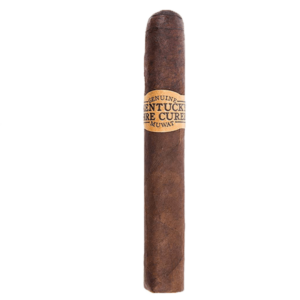

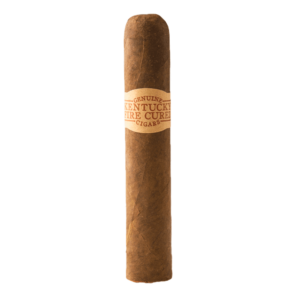
Kentucky Fired Cured

Price range: $72.50 through $167.40
A Drew Estate expression showcasing the brand’s bold, innovative blending philosophy.
Volume Discounts
- Buy 2+ and save 5%
- Buy 3+ and save 10%
Curated by Oxford Cigar Company. Ships from Orlando, FL.
Frequently Bought Together
 If you purchase this product you will earn
 Kentucky Fire Cured by Drew Estate
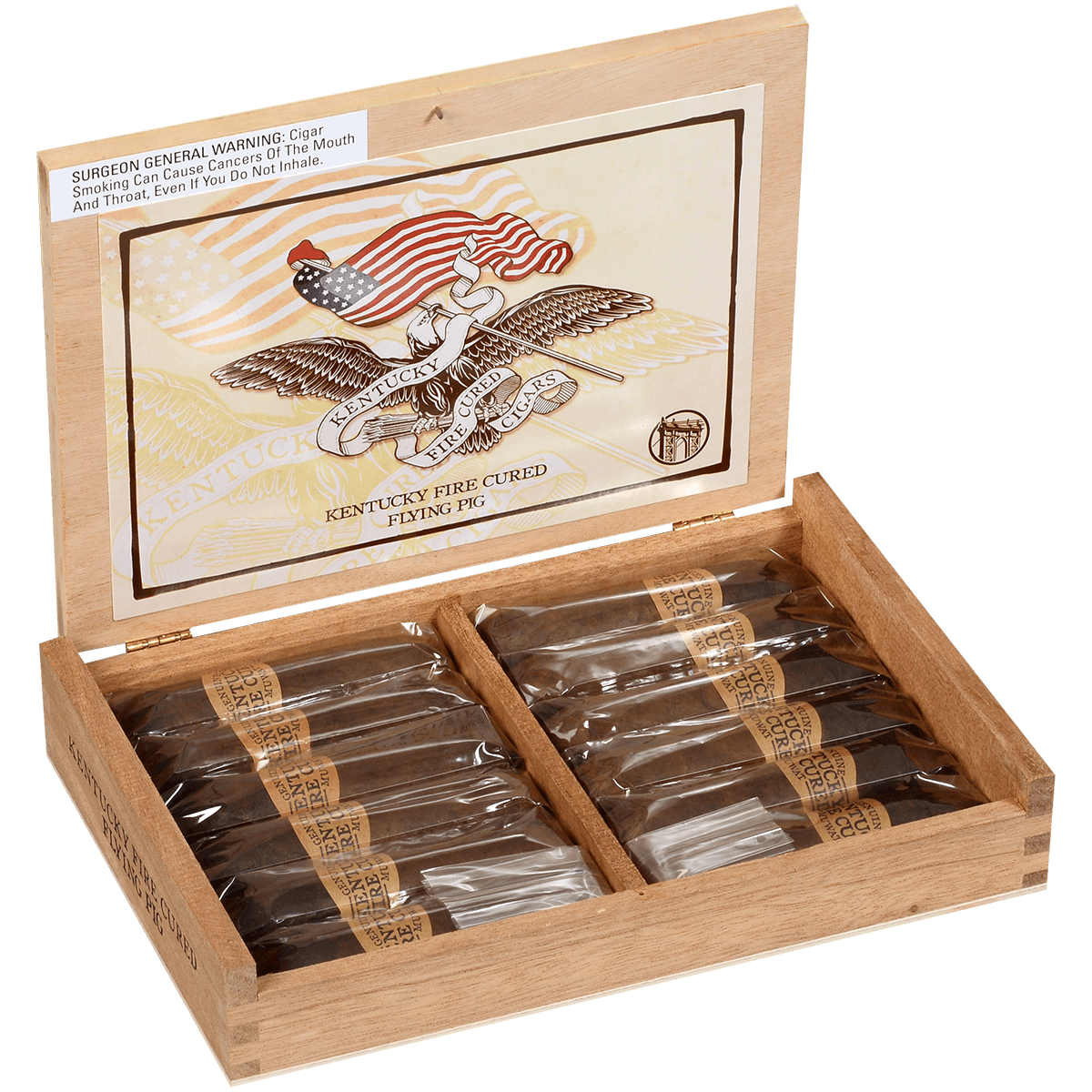
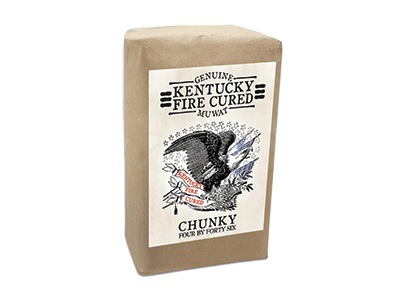
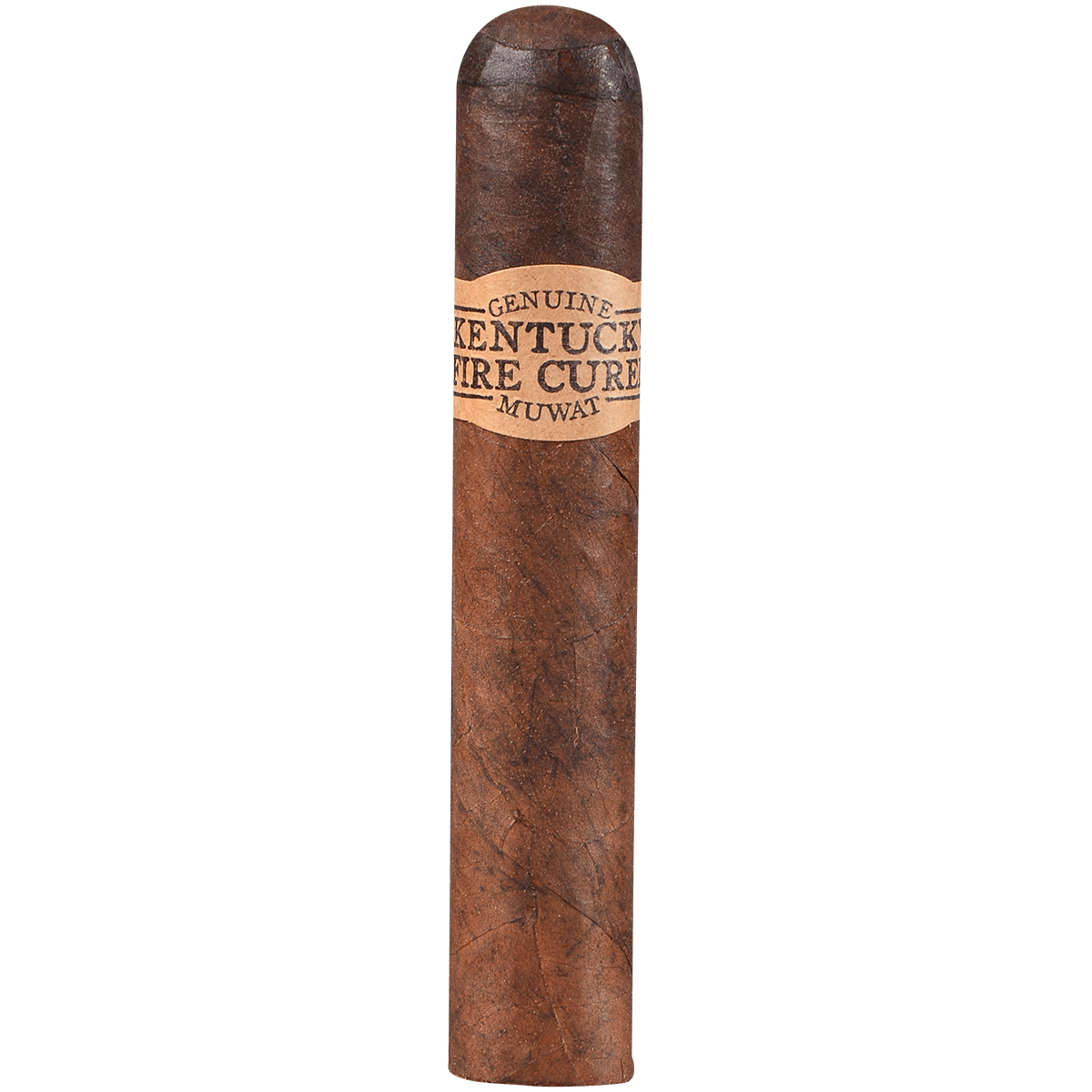
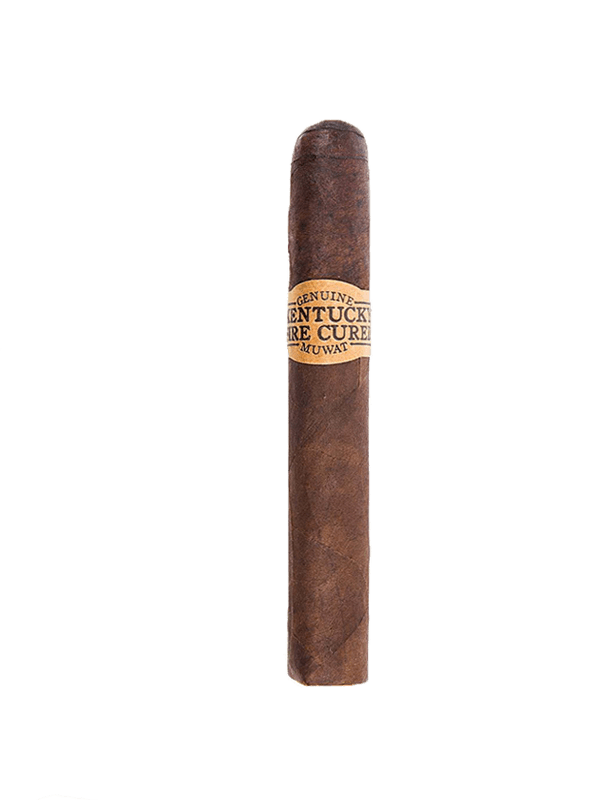
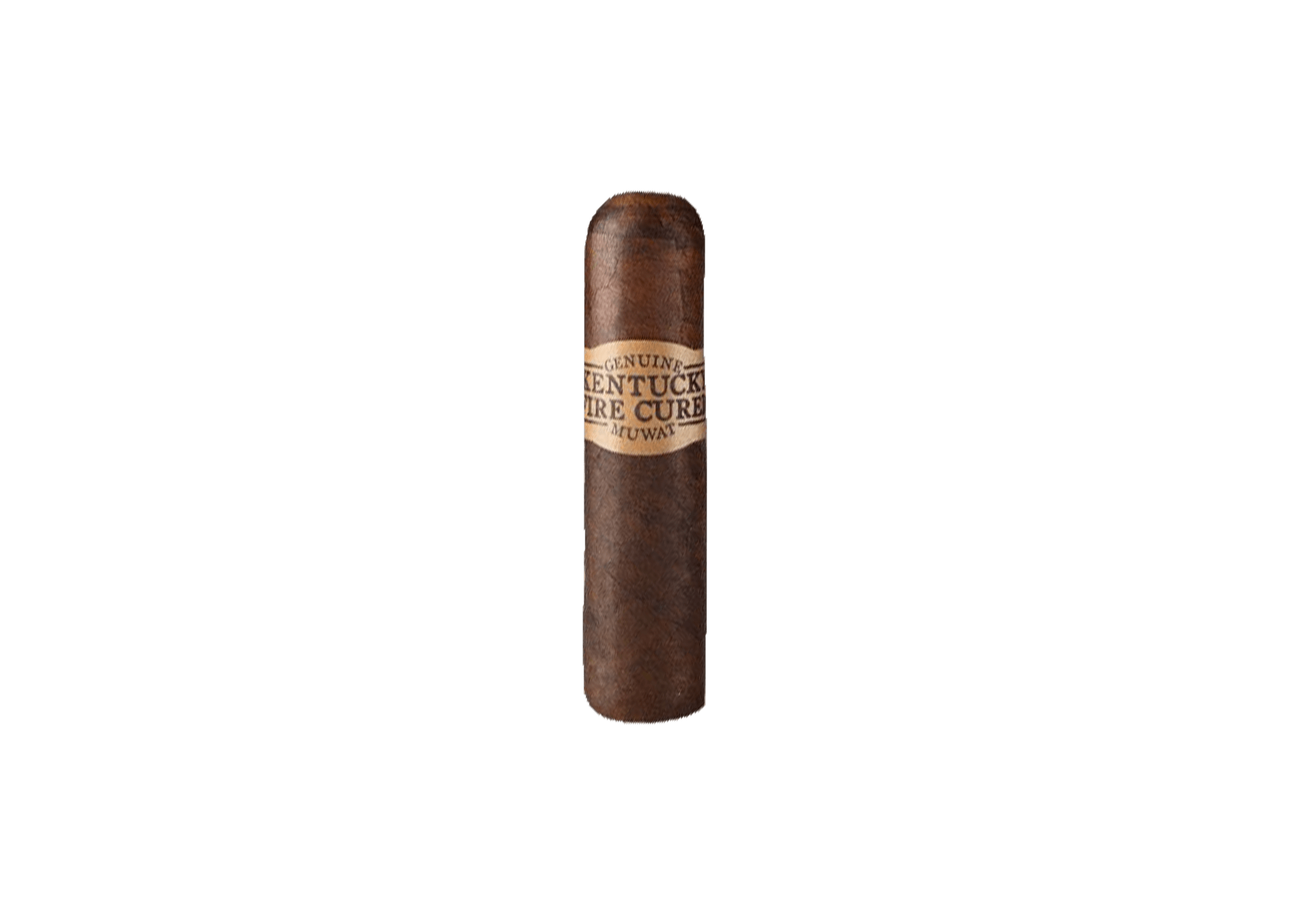
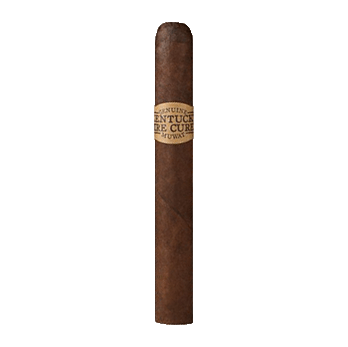
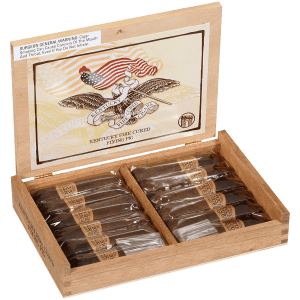
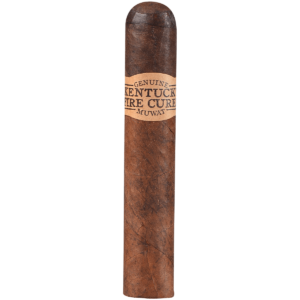
Kentucky Fire Cured is a medium bodied cigar wrapped in a rustic Mexican San Andres leaf over a Nicaraguan binder and a multinational filler blend of Kentucky fire cured tobacco, Virginia fire cured tobacco, Nicaraguan, and Brazilian Mata Fina long fillers, handcrafted at La Gran Fabrica Drew Estate in Esteli, Nicaragua. Drew Estate was the first premium cigar maker to incorporate dark fire cured American tobacco into a handmade cigar. The Kentucky seed tobacco (proprietary KY190 Burley) is grown in Hopkinsville, Kentucky, harvested at full maturity, hung in tobacco barns, and smoked for 14 days over hardwoods including hickory, maple, and oak, a curing process that has been used in Kentucky for over 200 years. The result is a cigar unlike anything else in the premium market: a thick, savory, smoky experience with hickory, oak, maple sweetness, BBQ smoke, leather, earth, pepper, and chocolate that tastes more like a Southern cookout than a traditional cigar lounge. Kentucky Fire Cured launched in December 2013 as an extension of the MUWAT (My Uzi Weighs A Ton) family and has since become one of Drew Estate’s most distinctive lines. Available in bundles of 10 and boxes of 12 (Flying Pig).
- Mexican San Andres wrapper with a dark, rustic, pungent appearance that amplifies the deep, hearty, earthy character of the fire cured fillers and adds its own savory spice to the blend.
- Nicaraguan binder provides structural integrity and a familiar Nicaraguan backbone of pepper and earth underneath the unconventional American tobaccos.
- Kentucky fire cured filler (KY190 Burley) grown in Hopkinsville, Kentucky, and smoked for 14 days over hickory, maple, and oak hardwoods, delivering the signature smoky, BBQ, peat like character that defines the blend.
- Virginia fire cured filler adds a second dimension of American smoke cured tobacco, a detail that many reviewers and even some retailers overlook when listing the blend components.
- Nicaraguan and Brazilian Mata Fina fillers balance the smoky American tobaccos with familiar Latin American cigar character: pepper, earth, sweetness, and body.
- First premium cigar to use dark fire cured American tobacco, a category that Drew Estate pioneered and that remains almost entirely unique to this line.
- Medium bodied despite the bold, pungent aromas, offering a surprisingly accessible smoking experience that is richer in flavor than in strength.
- Spawned the Drew Estate Barn Smoker event series, which expanded from Kentucky to Florida, Connecticut, Pennsylvania, and Louisiana.
How fire curing works
Fire curing is a 200 year old tobacco processing method native to Kentucky and other parts of the American South. After the Kentucky seed tobacco (KY190 Burley) is harvested at full maturity in Hopkinsville, Kentucky, the whole leaves are hung in specially constructed tobacco barns. Small fires of hickory, maple, and oak hardwoods are built on the barn floor, and the smoke rises through the hanging leaves for 14 consecutive days. The slow, sustained exposure to hardwood smoke transforms the tobacco at a cellular level, infusing the leaf with smoky, savory, peat like flavors that cannot be replicated by any other curing method. This process was traditionally used for pipe tobacco, chewing tobacco, and snuff. Drew Estate was the first to take fire cured leaf and incorporate it into a premium handmade cigar, bridging the gap between American tobacco heritage and the Nicaraguan cigar making tradition.
The result is a tobacco that is intensely aromatic even before lighting. The fire cured leaf is so pungent that it overwhelms the pre light aromas of every other tobacco in the blend. Reviewers consistently describe the unlit cigar as smelling like a smokehouse, hickory pit, or barbecue joint. That intensity is deliberate: Jonathan Drew called Kentucky Fire Cured “a fire cured explosion of taste and aroma.”
The origin story
Kentucky Fire Cured began on a tobacco selection trip. Drew Estate co founder Jonathan Drew and then CEO Steve Saka were visiting Universal Leaf’s facility in the Dominican Republic when they replaced the wrapper of a Liga Privada T52 with a leaf of Kentucky fire cured tobacco, seed variety KY-171. The smoky, unique flavor was immediately compelling, but the fire cured leaf had burn issues that needed solving. The Drew Estate team spent over two years developing the blend, experimenting with the proprietary KY190 Burley seed and working to balance the pungent fire cured tobacco with Nicaraguan and Brazilian fillers that could stand up to its intensity without being overwhelmed.
The cigar launched in December 2013 as MUWAT Kentucky Fire Cured, a line extension of the My Uzi Weighs A Ton brand that Drew Estate had co developed with Joya de Nicaragua. The original three vitolas were rolled at the Joya de Nicaragua factory. Production later moved to La Gran Fabrica Drew Estate in Esteli, and the MUWAT prefix was eventually dropped. The line’s success inspired Drew Estate to create the Barn Smoker event series, where cigar enthusiasts travel to the actual tobacco farms and barns where the fire curing takes place. The Kentucky Barn Smoker was the first, and the program later expanded to Florida, Connecticut, Pennsylvania, and St. James Parish, Louisiana.
Drew Estate
Drew Estate was founded by Jonathan Drew and Marvin Samel in 1996 in New York City. The company built its reputation on unconventional cigars that challenged the premium cigar industry’s traditions, from the ACID infused line to the Liga Privada series to Kentucky Fire Cured. La Gran Fabrica Drew Estate in Esteli, Nicaragua is one of the largest cigar factories in the world, and the company’s portfolio spans from budget friendly bundles to ultra premium limited editions. Kentucky Fire Cured occupies a unique space in the lineup: it is not infused like ACID, not traditionally blended like Liga Privada, and not aimed at the same smoker as either. It is a category of one, a cigar for people who want something that tastes like smoke, fire, and the American South.
Smoking experience
The Mexican San Andres wrapper is dark, rustic, and pungent. The pre light aroma is enormous: smoky hickory and sweet maple wood hit the nostrils with unrestrained boldness. The foot amplifies the hickory with oakiness and a medicinal, almost menthol like quality that the fire cured leaf imparts. The cold draw brings smoky leather, earth, and a surprising sweetness. Do not judge this cigar by its unlit aromas alone. Multiple reviewers warn that the pre light smokiness tricks smokers into expecting a more intense cigar than it actually is.
The first puffs deliver the fire cured character immediately. Hickory smoke, oak, and maple sweetness blast across the palate, and the smoky, BBQ quality establishes itself as the dominant theme. The Mexican San Andres wrapper adds earthy spice and leather. Underneath the smoke, the Nicaraguan and Brazilian fillers provide pepper, earth, and a familiar cigar tobacco quality that grounds the unconventional fire cured flavors. Sweetness is prominent, with a molasses like richness that balances the savory smoke. The body reads medium, and the strength is lower than the bold flavors suggest. The smoke is thick, billowing, and persistent.
The second third sees the cedar and oak smoked flavors push forward while the initial sweetness calms. The profile becomes more savory and dry, with leather and earth from the San Andres wrapper asserting themselves alongside the smoky core. Brazil nut flavors from the Mata Fina filler emerge, and a faint chocolate note appears underneath the smoke. The retrohale is intensely smoky, carrying the hickory and maple character directly through the nasal passage. Black pepper builds gradually, and the overall character shifts from sweet and smoky to savory and earthy.
The final third amplifies the fire cured aroma and flavor. The smokiness that was present throughout reaches its peak, and the cigar becomes more pungent and intense. The sweetness decreases, and the dry, clean, oak and hickory finish dominates. Earth, leather, and pepper persist from the middle third. The cigar burns cool and clean to the nub with excellent draw and burn throughout. The aftertaste lingers long after the cigar is finished, leaving a smoky, savory, almost campfire quality on the palate and in the room.
The lineup
| Vitola | Size | Packaging |
|---|---|---|
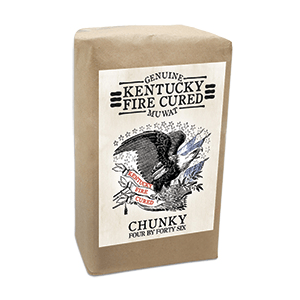
| Chunky | 4 x 46 | Bundle of 10 |
| Hamhock | 3 3/4 x 56 | Bundle of 10 |
| Kyotos | 5 1/2 x 34 | Bundle of 10 |
| Fat Molly | 5 x 56 | Bundle of 10 |
| Just A Friend | 6 x 52 | Bundle of 10 |
| Flying Pig | 4 1/8 x 60 | Box of 12 |
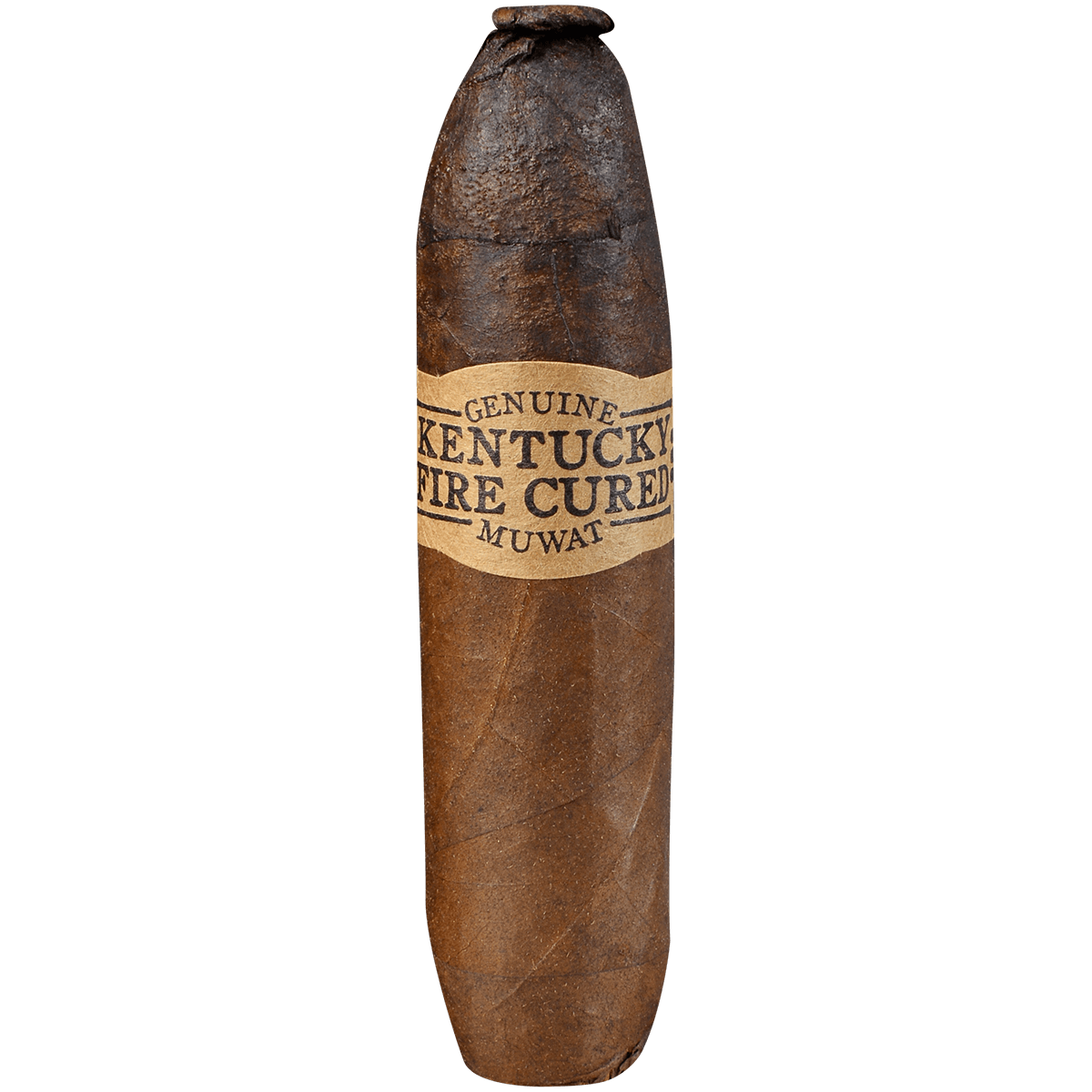
The Flying Pig (4 1/8 x 60) is the most iconic format, a short, fat, box pressed perfecto with a pigtail cap that Drew Estate popularized across multiple brands. Its wide ring gauge keeps the smoke cool and lets the filler forward smoke develop with maximum body. The Chunky (4 x 46) and Hamhock (3 3/4 x 56) are quick smokes ideal for a short session. The Kyotos (5 1/2 x 34) is a thin lancero style format that concentrates the wrapper’s contribution and delivers the most intense fire cured character. The Fat Molly (5 x 56) and Just A Friend (6 x 52) are the larger formats for extended, more gradual sessions.
Kentucky Fire Cured and the Swamp Thang
Drew Estate also produces Kentucky Fire Cured Swamp Thang, which uses the same fire cured filler tobaccos but wraps them in a Candela (green) wrapper instead of Mexican San Andres. The Candela wrapper adds a grassy, herbal quality to the smoky fire cured core, creating a distinctly different experience. Both lines share the same Nicaraguan binder and Kentucky/Virginia/Nicaraguan/Brazilian filler blend.
Pairings
Kentucky Fire Cured’s smoky, BBQ, hickory profile pairs naturally with the foods and beverages of the American South. A bourbon with charred oak, vanilla, and caramel mirrors the cigar’s own fire cured character and creates a pairing that feels deliberate. A smoked porter or stout matches the hickory and maple sweetness. Sweet iced tea cuts through the savory smokiness with a refreshing contrast. For food, the cigar was practically designed to accompany grilled or smoked meats, where the hickory smoke from the cigar and the smoke from the grill create a unified flavor experience. Drew Estate specifically promotes Kentucky Fire Cured as a BBQ companion, and multiple reviewers confirm it pairs with grilled food better than any traditional cigar.
| Brand | Drew Estate |
|---|---|
| Line | Kentucky Fire Cured |
| Country of Origin | Nicaragua |
| Factory | La Gran Fabrica Drew Estate, Esteli, Nicaragua |
| Wrapper | Mexican San Andres |
| Binder | Nicaraguan |
| Filler | Kentucky fire cured (KY190 Burley), Virginia fire cured, Nicaraguan, Brazilian Mata Fina |
| Strength | Medium |
| Body | Medium |
| Launch Year | 2013 |
| Available Vitolas | Chunky (4 x 46), Hamhock (3 3/4 x 56), Kyotos (5 1/2 x 34), Fat Molly (5 x 56), Just A Friend (6 x 52), Flying Pig (4 1/8 x 60) |
| Packaging | Bundle of 10 (Flying Pig: Box of 12) |
| Core Flavor Elements | Hickory smoke, oak, maple sweetness, BBQ smoke, leather, earth, pepper, chocolate, cedar, Brazil nut, peat, savory sweetness, molasses |
Summary
- Box Count: 10 (Flying Pig: 12)
- Region: Nicaragua
- Strength: Medium
- Binder: Nicaraguan
- Wrapper: Mexican San Andres
- Filler: Kentucky fire cured, Virginia fire cured, Nicaraguan, Brazilian
What is Kentucky Fire Cured?
It is a medium bodied cigar by Drew Estate featuring Kentucky fire cured tobacco (KY190 Burley) that has been smoked for 14 days over hickory, maple, and oak hardwoods. The blend uses a Mexican San Andres wrapper, Nicaraguan binder, and fillers from Kentucky, Virginia, Nicaragua, and Brazil. Drew Estate was the first premium cigar maker to use dark fire cured American tobacco.
What does Kentucky Fire Cured taste like?
Hickory smoke, oak, and maple sweetness dominate, delivering a BBQ and smokehouse quality unlike any traditional cigar. Leather, earth, pepper, chocolate, Brazil nut, and cedar provide depth underneath the smoky core. The cigar is more flavorful than it is strong, with medium body and a savory, smoky finish that lingers long after the cigar is finished.
What is fire curing?
Fire curing is a 200 year old tobacco processing method where harvested leaves are hung in barns and smoked for 14 days over smoldering hardwood fires of hickory, maple, and oak. The sustained smoke exposure infuses the leaf with smoky, savory, peat like flavors. This method was traditionally used for pipe and chewing tobacco before Drew Estate pioneered its use in premium cigars.
What sizes are available?
Six vitolas: Chunky (4 x 46), Hamhock (3 3/4 x 56), Kyotos (5 1/2 x 34), Fat Molly (5 x 56), Just A Friend (6 x 52), and Flying Pig (4 1/8 x 60). All come in bundles of 10 except the Flying Pig, which comes in boxes of 12.
What is the difference between Kentucky Fire Cured and Swamp Thang?
Both use the same fire cured filler blend, Nicaraguan binder, and Kentucky/Virginia/Nicaraguan/Brazilian tobaccos. The difference is the wrapper: Kentucky Fire Cured uses a Mexican San Andres wrapper, while Swamp Thang uses a Candela (green) wrapper that adds grassy, herbal qualities to the smoky core.
Is Kentucky Fire Cured good for beginners?
The medium body and accessible strength make it approachable, but the intense smoky, BBQ flavor is polarizing. Smokers who enjoy traditional cigar flavors may find the fire cured character too unconventional. Smokers who enjoy grilled food, whiskey, and smoked meats are more likely to love it immediately.
What is the Drew Estate Barn Smoker?
The Barn Smoker is an event series that Drew Estate created directly because of the Kentucky Fire Cured line. Attendees travel to actual tobacco farms and barns where the fire curing takes place. The Kentucky Barn Smoker was the first, and the program expanded to Florida, Connecticut, Pennsylvania, and Louisiana.
What pairs well with Kentucky Fire Cured?
Bourbon, smoked porter, stout, sweet iced tea, and grilled or smoked meats all complement the cigar’s hickory, oak, and maple character. Drew Estate specifically promotes it as a BBQ companion, and multiple reviewers confirm it pairs with grilled food better than any traditional cigar.
| Sizes | Bundle – Chunky 4 x 46, 5 Pack – Chunky 4 x 46, Bundle – Fat Molly 5 x 56, 5 Pack – Fat Molly 5 x 56, Box – Flying Pig 4 1/8 x 60, 6 Pack – Flying Pig 4 1/8 x 60, Bundle – Hamhock 3 3/4 x 56, 5 Pack – Hamhock 3 3/4 x 56, Bundle – Just A Friend 6 x 52, 5 Pack – Just A Friend 6 x 52, Bundle – Kyotos 5 1/2 x 34, 5 Pack – Kyotos 5 1/2 x 34, Box – Fat Molly 5 x 56, 5 Pack – Fat Molly 5 x 56 |
|---|
Share your thoughts!
Let us know what you think...
Only logged in customers who have purchased this product may leave a review. Log in now
Related products
What others are saying
There are no contributions yet.